Table of contents
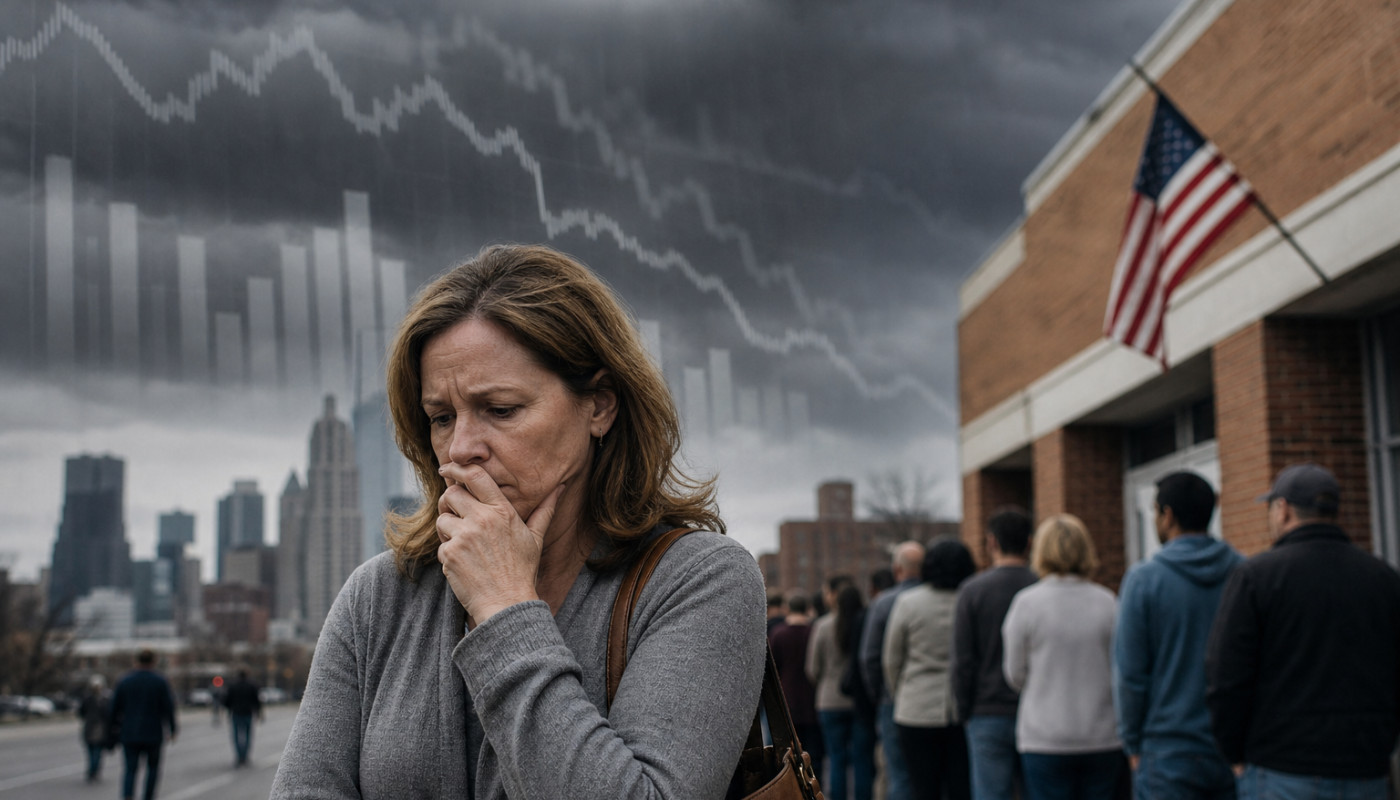
Inflation may have cooled from its 2022 peak, but grocery bills, rent checks, and credit-card statements are still doing political damage, often quietly, household by household. As campaigns race to define the stakes of this election season, the economy is shaping voter moods in less headline-grabbing ways, through job-switch anxiety, shrinking savings cushions, and the fear that one surprise expense could tip a budget into the red. The result is an electorate that is listening differently, rewarding messages that feel practical and punishing those that sound detached.
Prices fell, but the stress never did
Sticker shock is no longer accelerating the way it was, yet many families feel they are running in place, and that gap between macro indicators and lived reality is where politics is being rewritten. In the US, annual inflation has come down markedly from its mid-2022 highs, but prices remain elevated compared with pre-pandemic baselines, and that matters more to voters than the direction of travel. A carton of eggs that costs less than it did at the worst point of the spike still costs far more than it did in 2019, and for households that did not see wages rise at the same pace, “better” does not feel like “good.”
The pressure is visible in consumer behavior, and voters notice it every time they downgrade a brand, delay a purchase, or lean on buy-now-pay-later plans to make monthly cash flow work. Surveys over the past two years have repeatedly shown a disconnect between official economic growth and personal financial confidence, particularly among renters, younger adults, and lower-income households. Even where pay growth has been solid, it has often been eaten up by housing costs, insurance premiums, childcare, and interest payments, and those bills do not show up as isolated line items in political speeches, they show up as a constant background hum of worry.
That mood is amplified by what economists call “price level effects,” a wonky phrase for a simple truth: disinflation does not reverse the jump in costs, it just slows future increases. Politicians can cite improving trends, and central banks can point to progress, but voters are anchored to what they paid before the shock. When a household has rebuilt its budget around higher fixed costs, it becomes more skeptical of broad promises, and more responsive to targeted proposals such as tax credits, subsidies, or direct relief tied to essentials.
On the campaign trail, that skepticism is pushing candidates into a narrower corridor: they must sound both empathetic and specific. Voters want to hear what happens to monthly expenses, not what happens to GDP, and they are increasingly sensitive to language that implies they should be grateful for improvements that do not yet translate into breathing room. The turbulence is “silent” not because it is invisible, but because it is woven into everyday decisions, and those decisions are now shaping turnout, persuasion, and the credibility of economic messaging.
Jobs look strong, yet insecurity is rising
How can people feel uneasy when unemployment is low and employers still complain about hiring? Because job markets can be simultaneously tight and fragile, and households experience the fragility first. After years of rapid shifts, from pandemic disruptions to layoffs in parts of tech and media, many workers have internalized a lesson: even a good job can feel temporary. A steady paycheck does not erase the fear of being replaced, automated, outsourced, or squeezed by a company trying to protect margins, and that fear changes how voters interpret every promise about prosperity.
Wage growth has been a bright spot, particularly in lower-wage sectors earlier in the recovery, but the landscape has become more uneven. Some workers have locked in higher pay by switching jobs, while others feel stuck, watching salaries fail to keep pace with rent renewals and insurance hikes. The churn itself fuels anxiety, because switching jobs can mean losing seniority, benefits, or predictable schedules, and in many households the margin for error is thin. When a campaign message celebrates aggregate wage gains, the voter who cannot risk a job change hears something else: that the system is working for someone, just not for them.
The rise in interest rates has also turned everyday financial decisions into political flashpoints. Higher borrowing costs do not just slow the housing market, they seep into car loans, credit cards, and small-business financing, and voters feel that squeeze quickly. A household carrying revolving credit at elevated rates is less likely to describe the economy as “good,” regardless of what employment statistics show, and it is more likely to demand immediate relief, from caps on fees to promises of lower rates, even when those levers are not fully in political control.
This is where narratives about “economic competence” are being made and unmade. Voters tend to reward leaders who appear to understand risk, and to punish those who sound complacent, and the current environment punishes complacency harshly. When economic turbulence shifts from inflation headlines to job-security whispers, campaigns must adapt, because a voter who fears instability is less interested in ideology than in reassurance, and that reassurance must come with credible, concrete plans.
Housing is the ballot issue nobody escapes
Want to know why economic arguments hit so hard right now? Look at housing. Whether someone is renting, buying, or trying to stay put with a mortgage, the cost of shelter has become the defining expense, and it touches every demographic group, often in different ways. Renters face annual increases that can outpace wage growth, and homeowners who locked in low mortgage rates feel “trapped,” unable to move without taking on dramatically higher monthly payments, and together those pressures create a sense of immobility that voters interpret as decline.
Housing is also where the economy becomes local, and local experiences are what voters trust. National statistics may suggest moderation, but a tenant negotiating a lease renewal in a tight market experiences the economy as a direct negotiation with a landlord, and that negotiation is rarely reassuring. Add in the cost of utilities, commuting, and property insurance, and the monthly bill becomes a symbol of whether the country feels affordable. Campaigns that talk about “the cost of living” in general terms risk missing the point, because for many households the cost of living is, overwhelmingly, the cost of housing.
The political consequences are sharp. High housing costs can suppress mobility, which can suppress wage growth, and that can deepen frustration with institutions, from zoning boards to federal agencies. Voters who cannot move for work, cannot buy a first home, or cannot downsize without financial penalty often become more open to anti-establishment messages, even if they do not align with them on other issues. Meanwhile, homeowners watching property taxes and insurance rise may resist new development, creating a self-reinforcing cycle, and politicians are forced to navigate competing demands inside the same metro area.
Policy debates over supply, zoning reform, incentives for building, rent stabilization, and homelessness interventions are no longer niche conversations, they are election-season accelerants. Candidates who can speak clearly about what can be done quickly, what will take years, and what trade-offs are real may earn trust, because voters have learned to distrust magic-wand solutions. The housing crunch is shaping this season’s politics less through slogans than through logistics, and the voter who cannot afford a move will likely vote like someone who feels boxed in.
The small details voters now demand
Voters have become stricter consumers of economic claims, and campaigns are being audited in real time. It is not just fact-checkers, it is households running their own mental math: how does this plan change my monthly costs, my job security, my medical bill, my rent, my taxes? In an environment where many people feel one unexpected expense away from trouble, broad optimism can read as tone-deaf, and vague promises can read as evasive. The result is a demand for granular policy, the kind that can survive a kitchen-table cross-examination.
This insistence on detail is also a product of digital life. People compare notes instantly, they share experiences across cities and states, and they look up claims in seconds, and that changes the political incentive structure. Campaigns that once relied on sweeping narratives now have to show their work, because an audience dealing with complex economic pressures wants solutions that are equally concrete. Even niche topics can suddenly become symbols of seriousness, because they signal preparedness, competence, and an understanding of how rules and costs cascade through real lives.
That is why seemingly technical questions, from regulatory enforcement to business formation to innovation policy, can gain unexpected traction. Consider the world of intellectual property, where startups, universities, and inventors must weigh costs, risks, and timelines before pursuing protections that can determine whether an idea becomes a business. In a jittery economy, those decisions feel higher stakes, and readers trying to understand the fine print of competitiveness, litigation risk, and market power may want to discover this kind of practical breakdown, because it reveals how economic opportunity can hinge on process, not just ambition.
In election season, those details matter because they connect policy to outcomes. When voters hear about “supporting small business,” they increasingly want to know what that means in paperwork, fees, and enforcement, and whether the system rewards insiders who can hire experts or newcomers trying to build something from scratch. The same is true for healthcare billing, student-loan management, childcare markets, and insurance regulation: voters are not asking for jargon, they are asking for clarity, and the campaign that provides it can sound more credible than the one that only offers confidence.
What To Watch Before Election Day
Budget like a voter: track fixed costs, especially housing, insurance, and debt interest, then compare campaign proposals against those line items. Ask local offices about help already available, from housing vouchers to energy credits, and price out any benefit that requires paperwork or waiting lists. If you plan to travel or attend events, reserve early and set a ceiling; uncertainty punishes last-minute spending.
Similar articles

Exploring The Impact Of Coworking On Productivity And Creativity

Exploring The Benefits And Process Of Acquiring A Forex License For Financial Businesses

The role of AI in predictive analytics for forecasting business trends and consumer behavior

Exploring The Benefits Of Free Zones For New Businesses
